Imagine you’re scrolling through TikTok and see a video comparing a premium lipstick with a drugstore version. The caption reads: “Same pigment. One costs $50, the other $10. Which one will be the winner?” This example captures the essence of the “dupe economy,” where lookalikes, imitations, and smart substitutes are no longer shady side hustles, but standard shopping choices.
But, the question remains, is the dupe economy visionary or just entirely abhorrent? Let’s take a gander through the luxury corridors of imitation, the shadowy paths of ethics, and the surprisingly sharp minds behind this phenomenon, to see whether this movement is more genius or ghastly.
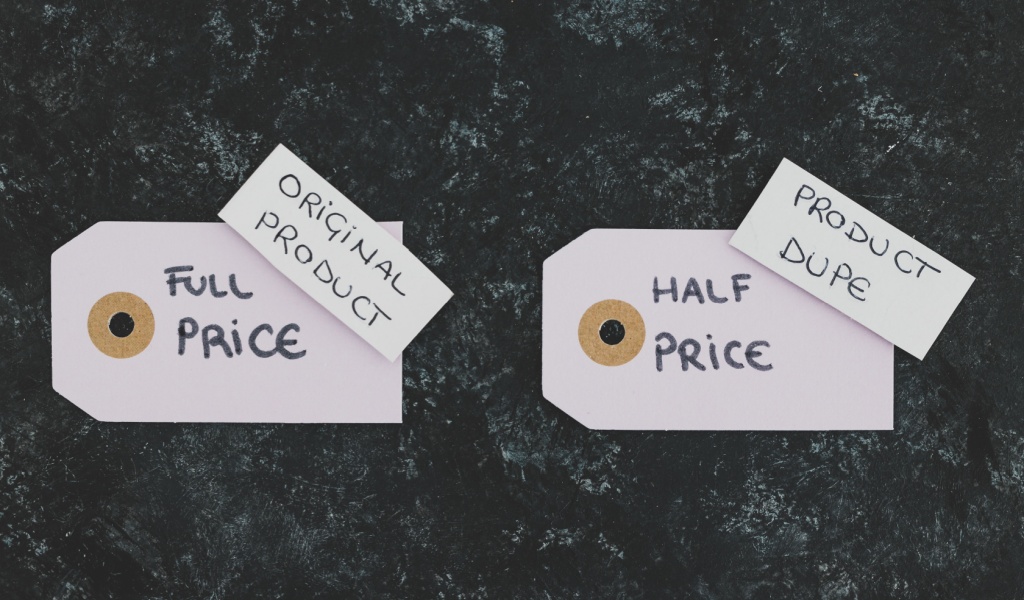
What Is the Dupe Economy?
In simple terms, the dupe economy is about purchasing “dupes” — low-priced versions of premium or designer products that aim to offer a similar look, functionality, or feel at a lower price.
It’s not actually new to have reasonably priced substitutes. However, today’s dupe culture is further fueled by social media, influencer reviews, viral comparisons, and a more discerning customer base. Dupes aren’t hidden secrets anymore; they’re revered.
Over the last few years, hunts for dupe have increased (some argue by 300% or more). In the beauty, fashion, and tech industries, brands and marketplaces can no longer overlook the pull of the same products, but at lower prices.
Why Dupes Rule at the Moment
Financial Strain and Inflation
Honestly, money is getting tighter. Factors such as inflation, low salaries, and rising expenses all prompt customers to become more informed about their purchases. When you know that a $10 version of foundation can provide 95% of the visual impact of a $50 product, it’s tempting to skip the premium!
Hype on Social Media
TikTok and Instagram made dupe-hunting popular. “Save vs. Splurge” reels and “#dupehauls” garner millions of views, turning imitation into entertainment. Dupes are no longer dirty secrets; they’re a mainstream enterprise now!
Same Manufacturers, Distinct Labels
Here’s the twist: many premium and dupe products come from the same factories. The difference? Branding, wrapping, and prestige. A recent social media trend in which Chinese factory workers revealed how luxury brands manufacture their products was like a “breaking the third wall” moment that shocked viewers.
Customers Have Become Smarter
Modern customers know their stuff. We compare ingredients, check reviews, and aren’t impressed by brand names alone. We’re done paying extra for publicity and heritage!
How to Become a Clever Dupe Customer
- Do your Research: Check reviews, resources, and sources.
- Look for transparency: Good dupe brands are candid about what they’re copying.
- Don’t buy counterfeits: Imitation of illegal fakes is not condoned by dupe-economy fans.
- Consider longevity: A low-priced purchase is not a win if it breaks in a month.
- Know your purpose: Are you purchasing for a function, or just for flex? The difference matters.
- Purchase less, pick better: Even in the dupe world, watchful consumption matters.
The Genius Outlook
Smart Spending & Financial Independence
Dupes help consumers look and feel good while still saving money. They symbolize financial mindfulness—cutting expenses without cutting happiness. It’s not about being cheap, but about being smart.
Fashion for All
Dupes promote beauty and fashion. You don’t need a billionaire’s income to enjoy good design or fashionable fits. It’s style equality in action, and it’s inspiring to see inclusivity represented in aesthetics.
Brands are Held Accountable
When a $50 moisturizer performs like a $200 one, premium brands are forced to clarify their price tags. Dupes push brands toward transparency, requiring them to gain loyalty rather than depending on legacy.
The Ghastly Outlook
Quality Isn’t the Same Always
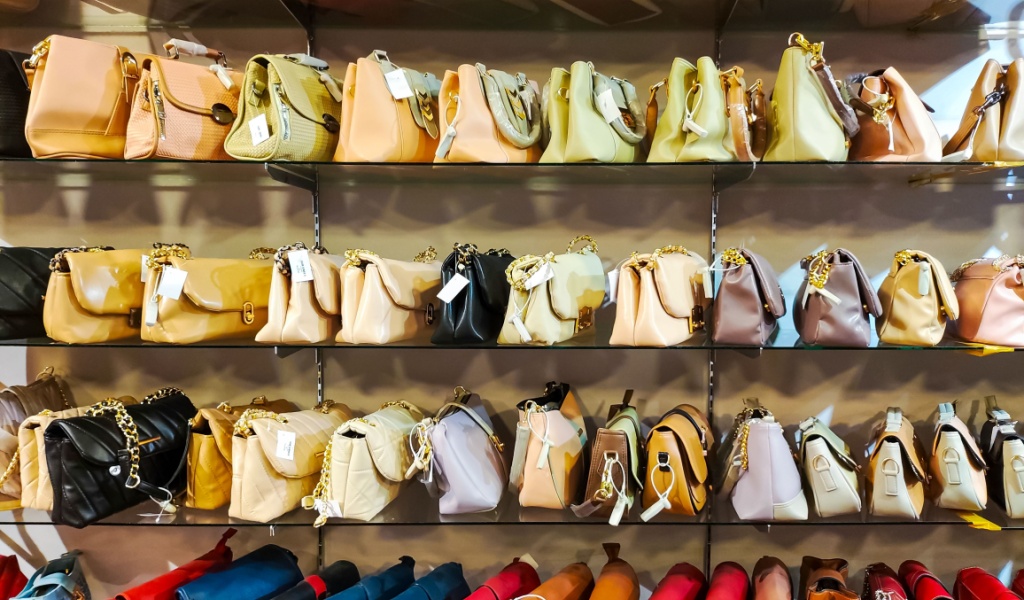
Dupes may look the same, but performance and durability frequently fall short. That $30 handbag may not survive your next trip or coffee spill. Occasionally, you get what you pay for.
Legal & Ethical Disputes
Where’s the line between “inspired by” and “stolen”? Some copycats imitate designs so closely that it borders on intellectual property theft. Designers argue it undermines original creativity and craftsmanship.
Copy Culture Suppresses Innovation
When imitation gets rewarded more than uniqueness, why innovate? If every great design gets immediately cloned, creators lose interest, and we all lose variety.
Brands Lose Their Power
If anyone can create something similar enough, brand prestige fades. The market overflows, originality wanes, and luxury’s power to inspire disappears.
The Preference for Quantity Over Quality
Dupes can tempt us to purchase more junk. Experts warn that this mentality fuels waste: massive shopping sprees in which fast fashion trumps artistry. It’s good for dopamine, but awful for the world.
So, is it Genius or Ghastly?
Honestly, it’s both. It’s genius because it empowers people to question the system, shop smarter, and spend more sensibly. It’s a coupon code revolt!
But it’s ghastly when it crosses the line between ethics and cheap thrills, or turns creativity into copy-paste chaos. In addition to old hierarchies, dupes expose how brittle originality can be in a time of endless replication. There is a fine line between imitation and exploitation, and consumers must be conscientious not to cross it.
Conclusion
The dupe economy is here to stay. It’s more than just a TikTok trend; it’s a cultural statement. It proclaims: We’re knowledgeable. We’re discerning. We won’t pay extra!
But it also prompts us to question: at what expense? If we keep pursuing the cheapest options, will we risk losing the heart of true innovation?
So, the next time you find a perfect dupe on your feed, think twice before clicking “add to cart.” It might be brilliant. It might be terrible. Or maybe it’s both, attractively packaged at a reasonable price.