The internet has made things quick and easy in so many ways, including how we shop. When tempting ads pop up as you scroll through social media and new trends materialize ever so frequently, it’s normal to want to grab that trendily new product that celebrities, influencers, and your friends are raving about!
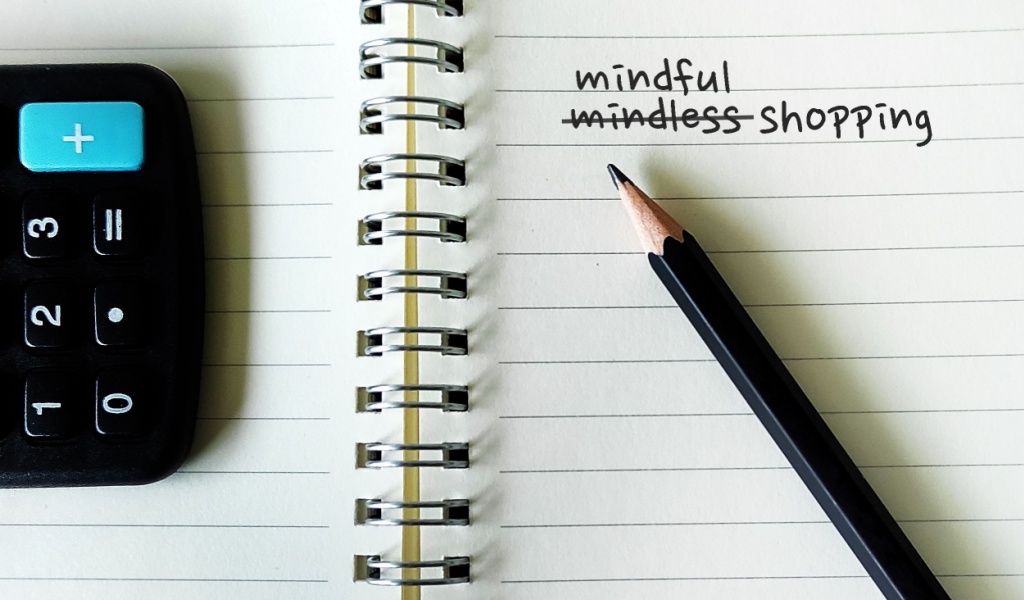
From unique beauty products to trendy clothing, people are constantly tempted to try new things and upgrade often. So, if you’ve gone on an impulse shopping spree and you’re now staring at a pile of stuff you’re not sure you’ll actually use, it may be time to pause, take a deep breath, and explore a different kind of trend that people are dubbing “slow shopping”.
Impulse buying can wreak havoc on your budget and completely derail you from your financial goals, which is why people are trying to encourage the “slow shopping” trend: taking the time to consider whether the thing you want to buy is something you actually need or want.
What Is Overconsumption?
Have you ever seen those TikTok hauls where influencers show you piles and piles of boxes of stuff that they’ve apparently purchased? At first, you may gawk at the sheer number of things. Then, as they show you one shiny new thing after another, you may find yourself thinking maybe you could buy a few new things for yourself, even if you don’t really need a new pair of shoes or a brand new bag.
This is the core of overconsumption – buying things you don’t need and cannot realistically get maximum use out of. Not only does overconsumption damage your finances, but it also makes a detrimental impact on the environment, as each human consumes more resources than they can produce.
What Is Slow Shopping?
Slow shopping is the opposite of impulse shopping. This trend encourages people to be more aware and conscious of their spending. It’s about being intentional about your choices when making a purchase and taking a few minutes to ask yourself whether you’re buying something because you really need it or because you’re following a trend.
Basically, the idea is to put more time and obstacles between looking and buying so you’re confident in what you need. It puts power in your hands by helping you be deliberate about your purchasing habits without sacrificing enjoyment!
Remember, slow shopping doesn’t require you to deprive yourself of treats. In fact, it’s about putting more thought into buying those treats so you don’t regret it later or end up in debt. It also motivates you to analyse your goals and what you want to accomplish, and then use that motivation to tailor your behavior. So it’s completely okay to spend money on things you enjoy, but the key is not to overspend in a way that will wreck your future financial goals.
There is a better time to buy just about everything, and you can implement slow shopping to help you time your purchases in a way that allows you to grab the best deals. For example, you can score some great discounts on seasonal merchandise or end-of-season sales. This way, you also have more time to think about what you need, where to shop, and how much you can afford to spend. When the time comes to make that special purchase, you can do it guilt-free because you’ve waited patiently for the right moment. Or you might realise you were just being driven by dopamine in the moment, and it’s not really worth the purchase after all. Either way, that’s what we call a win-win!

Ways To Implement Slow Shopping
Reflect On Your Long-Term Goals
You have to know what you want your money to do for you. Seeking this out is the foundation of slow shopping, and it starts with being crystal-clear about your goals, budget, and long-term targets. When you keep this in mind while shopping, it helps you stay disciplined with your expenditures.
Make A Wish List
Rather than putting items in your online cart, make a wish list. You can even make a physical list on paper if that works better, or curate a Pinterest board of items you want to buy. Alternatively, you can save posts on social media apps so you can refer back to them when you need to buy that product.
Don’t Have Your Payment Information Pre-Saved
Most websites offer a one-click purchasing option that saves bank or credit card information. Remove any saved credit card numbers from websites, as this forces you to take extra steps at checkout. These additional hurdles give you a chance to consider whether the item you want to buy is an immediate necessity!
Set Time Limits For Yourself
If you see something you want to buy, let it sit in your cart for a couple of days to give yourself time to decide if you really want it. Perhaps a couple of days after you thought you wanted those heels, you realize that it’s not practical anymore or doesn’t suit your style. Of course, ads are curated to add urgency so you’re compelled to buy, but give yourself extra time to compare prices and reflect on the necessity of the item.
Limit Your Temptations
You have the power to filter what you see and who you follow on social media. So if you’re tempted to shop when you’re scrolling, unfollow celebrities, influencers, or shops that tempt you to spend without thinking about your budget. The moment you start being intentional about what you’re consuming on social media, the less impact it will have on your spending habits.
Be Intuitive To Your Emotions
Listen to your feelings, especially if you’re an emotional spender. Are you shopping to fill a void, or do you find yourself shopping on impulse when you’re stressed or unhappy? In such a case, take a moment to identify what you’re feeling and how, so you can redirect your energy more constructively. Instead of shopping, you can try something else to make you feel better, like taking a walk or reading a book.
Final Thoughts
Of course, the most obvious advantage of slow shopping is that it lets you save money. But the reality is that this concept goes far deeper—it makes you more confident in your personal style and gives you the power to build a lifestyle that reflects who you really are, not who the internet says you should be.
Moreover, slow shopping can be a type of self-care, too. When you embrace intentional acts over impulsive ones, you’re less likely to feel stressed and cluttered, and more in control. While this may be a small action, it’s a powerful way to reclaim your attention, energy, focus, and time!