Pet ownership used to seem like an affordable way to bring happiness and companionship. Now, many pet owners are realizing that caring for their furry family members costs far more than it did just a few years ago.
As inflation continues to strain family budgets, pet owners are feeling the pressure. Rising veterinary costs, pet insurance premiums, food, and grooming expenses are making pet ownership increasingly unaffordable. Yet despite the challenges, most owners are not willing to cut corners when it comes to their four-legged pals. New surveys show that many people continue to prioritize pet-related expenses despite the rising cost of living.

Pets Are Considered Family Members
One reason pet spending remains so strong is that most people see pets as family members.
According to data from GlobalPETS, 77% of pet owners view their pet as part of the family, a best friend, or even a child, up from 75% just a few years ago. That emotional connection makes pet-related costs feel less like optional purchases and more like mandatory household expenses.
Pet Ownership Costs More Than Most People Realize
Another reason pet ownership feels more expensive is that many owners underestimate the long-term monetary commitment involved.
According to the Synchrony study, dog owners expect to spend about $8,158 over the pet’s lifetime. However, actual lifetime care expenses can exceed $60,000 when food, healthcare, supplies, grooming, insurance, and other costs are all taken into account. Cat parents also show a similar gap between expectations and reality.
These statistics show a widening gap between what people expect pet ownership to cost and what it actually demands.
Many first-time pet owners are taken aback by recurring costs such as:
- Regular veterinary care
- Emergency medical care
- Pet insurance
- Grooming services
- Good food and treats
- Pet-sitting and boarding
- Bedding, toys, and supplies
As prices continue to increase across these categories, budgeting for pet care has become harder for many households.
Veterinary Bills and Medical Costs: A Growing Cause of Financial Stress
Veterinary and medical costs have become a major source of financial stress for pet owners.
Nearly half of pet owners say unexpected pet expenses create financial concern, according to the 2025 Lifetime of Care study by Synchrony. This is a huge increase from just one-third of owners in 2022. Medical expenses and veterinary bills top the list of most stressful unexpected expenses.
A veterinary bill of $250 or less is a cause for concern, says about 26% of pet owners, according to the survey. Many households are experiencing financial pressure due to routine veterinary visits, specialty care, and emergency treatments.
Pet owners have to make tough decisions about how to budget for anticipated and unforeseen costs as veterinary and medical care rise.
Pet Owners’ Purchasing Habits Change Due to Inflation
Industry analysts claim that consumers are becoming more value-conscious, prioritizing essential purchases, and reducing impulse purchases. While discretionary spending faces more scrutiny, pet food, healthcare, and wellness items continue to receive strong support.
Additionally, many pet owners are making more thorough price comparisons, looking for discounts, and choosing affordable options whenever possible. Instead of making drastic cuts, they are focusing on finding the best value while still meeting their pets’ needs.
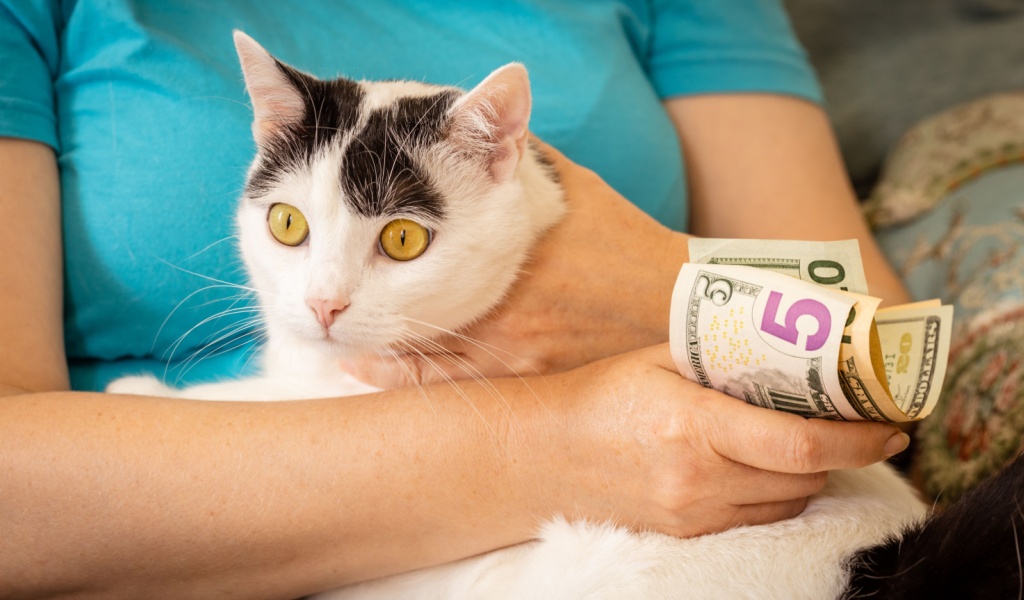
Costly Technology for Convenience
Pet parents are increasingly investing in technology such as GPS trackers, automated feeders, and pet-monitoring devices. While these products can increase convenience and improve pet care, they also add to the total cost of ownership. As technology becomes more common in pet care, many households are weighing its benefits against already strained budgets.
Financial Sacrifices of Pet Owners
Many pet owners are making financial sacrifices to keep up with growing pet-related expenses. An AOL survey found that almost one-third spend more on their pets than on their own health and wellness, while 28% frequently exceed their pet budgets.
To cover unanticipated costs, certain households reduce spending elsewhere, dip into savings, use credit cards, or seek financial assistance. According to a Synchrony study, one in three owners would think about borrowing money from friends or family for significant pet expenses. These findings highlight the growing financial pressure facing devoted pet parents.
Pet Spending and Economic Uncertainty
As veterinary care, insurance, and day-to-day pet costs continue to rise, pet ownership may become more challenging for certain households. However, surveys indicate that interest in pet ownership remains strong, and pet spending continues to rise despite economic pressure and uncertainty.
According to CivicScience, 38% of pet parents plan to spend more on their pets over the upcoming year, while only 10% expect to spend less. Many owners prioritize pet care over discretionary costs, making the pet business relatively recession-resistant. This trend reflects the deep emotional connection people share with their pets.
Conclusion
The rising cost of living is making pet ownership more expensive, as veterinary expenses, food prices, insurance premiums, and other costs strain household budgets.
Nevertheless, most pet owners remain dedicated to providing the best care possible. Many are changing spending habits elsewhere, seeking better deals, and planning more carefully to manage expenses.
In a time of rising costs and economic uncertainty, pets aren’t simply another cost—they’re family, and family comes first.