Take a look inside your wallet or check your bank balance. The money you see there likely isn’t backed by gold, silver, or anything shiny locked away in a bank locker, but by something far less tangible yet extremely powerful: trust. That’s the magic of fiat currency.
Fiat currency rules the modern world, yet most of us don’t think about it until inflation spikes or prices rise overnight. So, let’s explore what fiat currency really is, where it came from, and why it works.

The History of Fiat Currency
Before fiat money took over, many nations relied on commodity-backed systems, particularly the gold standard. Under this method, paper money could be traded for a fixed amount of gold. It seemed reassuring, but it was also restrictive.
As economies evolved and universal trade expanded, tying money strictly to gold became impractical. Governments looked for flexibility, particularly during wars, depressions, and financial crises.
The key turning point came in 1971, when the United States formally abandoned the gold standard. Once the world’s largest economy moved to a fully fiat system, most other countries followed suit. Currently, nearly every main currency operates as fiat money.
Fiat: The Name Speaks For Itself
The word fiat comes from Latin and generally translates to “let it be done.” In financial terms, it refers to money that has value because a government declares it to be legal tender. Not supported by gold. No silver guarantee. Simply a formal declaration saying, “This is money, and you must accept it.”
Fiat currency has no intrinsic worth. A $50 bill isn’t valuable because of the paper it’s printed on, but rather because governments enforce its use for payments, debts, and taxes, and because people believe in it.
Common Fiat Currency Examples
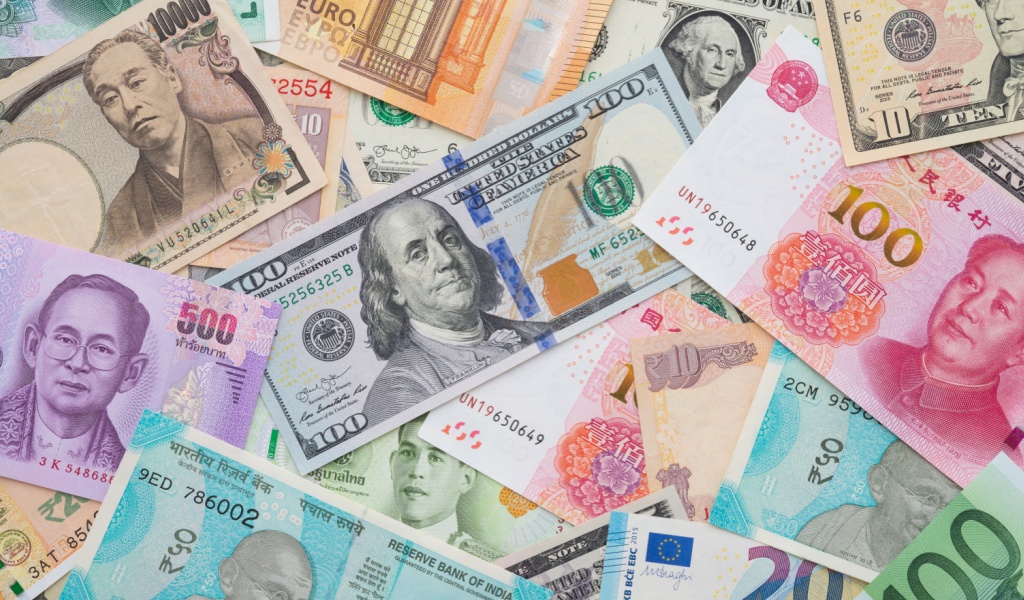
The majority of modern money is fiat-based, including:
- U.S. dollar
- British pound
- Japanese yen
- euro
- Indian rupee
These currencies are not tied to physical commodities. Their value fluctuates according to economic performance, inflation, and global confidence.
The Reasons Fiat Currency Is Considered Money
For something to serve as money, it must meet three requirements:
1. Medium of exchange – used to purchase and sell products and services
2. Store of value – can be saved and spent later
3. Unit of account – a standard method of calculating value (like dollars)
Fiat currency meets all three requirements, even though a physical commodity doesn’t back it. Its power comes from a collective agreement and institutional support.
How Fiat Currency Functions
A few key pillars support the function of fiat money:
-
Central Banks
Central banks, such as the European Central Bank and the U.S. Federal Reserve, manage most fiat currencies. These organizations influence interest rates and regulate the money supply. Central banks try to control inflation, promote growth, and stabilize the financial system by adjusting monetary policy. A strict gold-backed system couldn’t support this level of control.
-
Government Authority
Fiat money is declared as legal tender by governments. This means it must be accepted for payments and debts made within that country. Additionally, the national currency is used to pay taxes, ensuring ongoing demand.
-
Public Trust
Trust is perhaps the most crucial component. People embrace fiat money because they trust that the issuing government will remain stable enough to support it and that everyone will accept it in the future.
Fiat Money vs. Other Types of Money
It helps to understand fiat currency in context:
- Commodity money is backed by physical assets such as gold. It’s steady but inflexible.
- Fiat money is backed by government authority and trust. It’s flexible but susceptible to mismanagement.
- Cryptocurrency operates independently, relying on technology rather than central control. It fosters innovation but frequently lacks stability and widespread acceptance.
Fiat currency sits in the middle—less rigid than gold, more regulated than crypto.
Benefits of Fiat Currency
Fiat money remains dominant for numerous reasons:
- Flexibility: Governments and central banks can respond swiftly to economic changes by adjusting interest rates or the money supply.
- Supports Modern Economies: International trade, electronic payments, and complicated financial systems depend on the flexibility that fiat currency offers.
- Lower Production Costs: Fiat money is cheaper to produce than commodity-backed currency, particularly in a digital world.
Disadvantages of Fiat Currency
Of course, fiat currency isn’t flawless.
- Inflation: Governments can increase the money supply, thereby increasing the risk of inflation. Most fiat currencies lose purchasing power with time. In severe cases, excessive money printing can result in hyperinflation.
- Policy Errors: Central banks are powerful, but not infallible. Poor decisions, such as keeping interest rates too low for too long, can result in asset bubbles or rising inflation.
- Reliance on Trust: Fiat money is only effective as long as people trust it.
A currency can be significantly depreciated by political instability, bad economic management, or a decline in confidence.
Conclusion
Fiat currency may seem weird once you really think about it. Money with no intrinsic value somehow runs the world? And yet, here we are—purchasing food, paying rent, and saving for the future using pieces of paper and digital numbers supported by trust. It helps you understand how modern economies work and why discussions about inflation, central banks, and alternative currencies are so important.
Ultimately, fiat money is a shared agreement. And for the time being, it’s the agreement that keeps the world economy moving.